
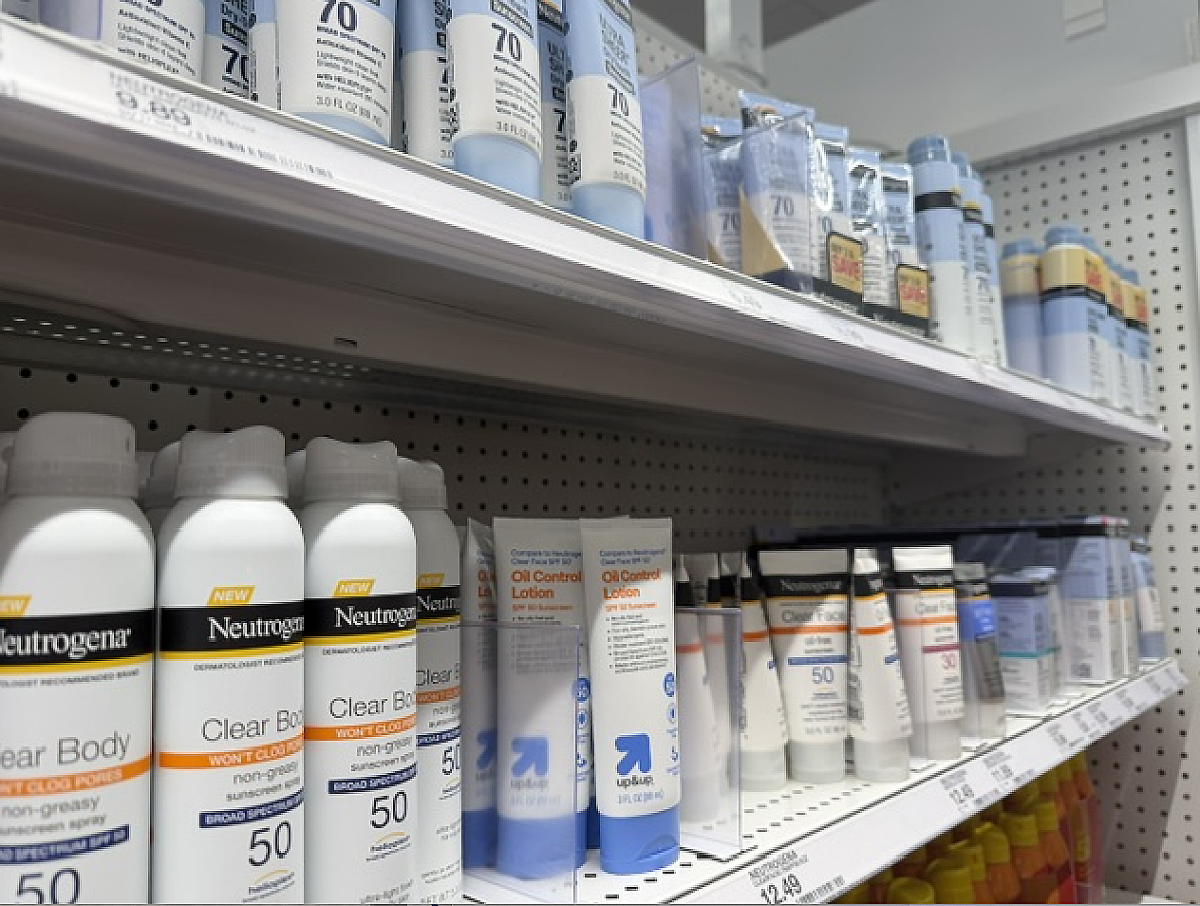
When summer rolls around, most of us think about beach days, pool parties, and long afternoons in the sun. It’s the season we wait for all year to get a break from school, stress, and cold weather. But while we’re busy enjoying the sunshine, there’s one small thing that often gets ignored: wearing sunscreen.
For a lot of high school students, Sun Protection Factor (SPF) isn’t a priority. It can feel unnecessary, inconvenient, or even something only adults worry about. Some people think, ‘I don’t burn, so I’m fine’ or ‘I want a tan anyway.’ But the truth is, sun protection isn’t just about avoiding a painful sunburn, it’s about protecting your skin in the long run.
When I was younger, I used to also believe that SPF was unnecessary and that I didn’t need it because I didn’t burn. However, it does more than just protect your skin from burning; it plays a crucial role in maintaining the health of your skin and overall well-being. SPF shields you from Ultraviolet (UV) rays, which is radiation emitted by the sun.
These rays can be very dangerous if you don’t take your skin health seriously. UV rays can damage your skin even on cloudy days.
According to the Summit View Dermatology. “Studies have shown that up to 80 percent of UV rays can penetrate through clouds, depending on the cloud cover and type. This phenomenon is known as the ‘broken-cloud effect,’ where scattered clouds can even enhance UV radiation by reflecting and scattering it, leading to higher levels of UV exposure than on a clear day,”
This damage eventually builds up over time, leading to premature aging, such as wrinkles and dark spots, known as hyperpigmentation.
There’s also a common myth that sunscreen ruins your chances of getting a tan. In reality, you can still tan while wearing SPF, it just helps prevent burning and reduces damage.
“You get a tan because sunscreen, even with the highest SPF, can’t block all UV light,” The Cleveland Clinic Health Essential said.
From what I’ve seen, I’ve gotten better tanning results while wearing sunscreen than without. I’ve noticed I tend to feel less burnt, and I don’t have to go through the annoying stage of my skin peeling. Think of it as a smarter way to enjoy the sun, not a way to avoid it entirely.
Most importantly, SPF can severely decrease the risk of skin cancer, one of the most common cancers in the United States. UV rays from the sun damage the DNA in skin cells over time, and repetitive exposure without protection can lead to dangerous mutations that cause cancer, such as melanoma: the deadliest form of skin cancer. Many people underestimate how much sun exposure they receive during everyday activities like driving, walking, or playing sports. Choosing not to wear sunscreen is a preventable risk that too many people ignore until serious damage has already occurred.
What’s often overlooked is that a lot of that risk comes from repeated sun exposure during your younger years. In other words, the time to start protecting your skin isn’t later, it’s right now. So this summer, as you grab your sunglasses and flip-flops, add one more thing to your routine: sunscreen. Your future self will thank you.