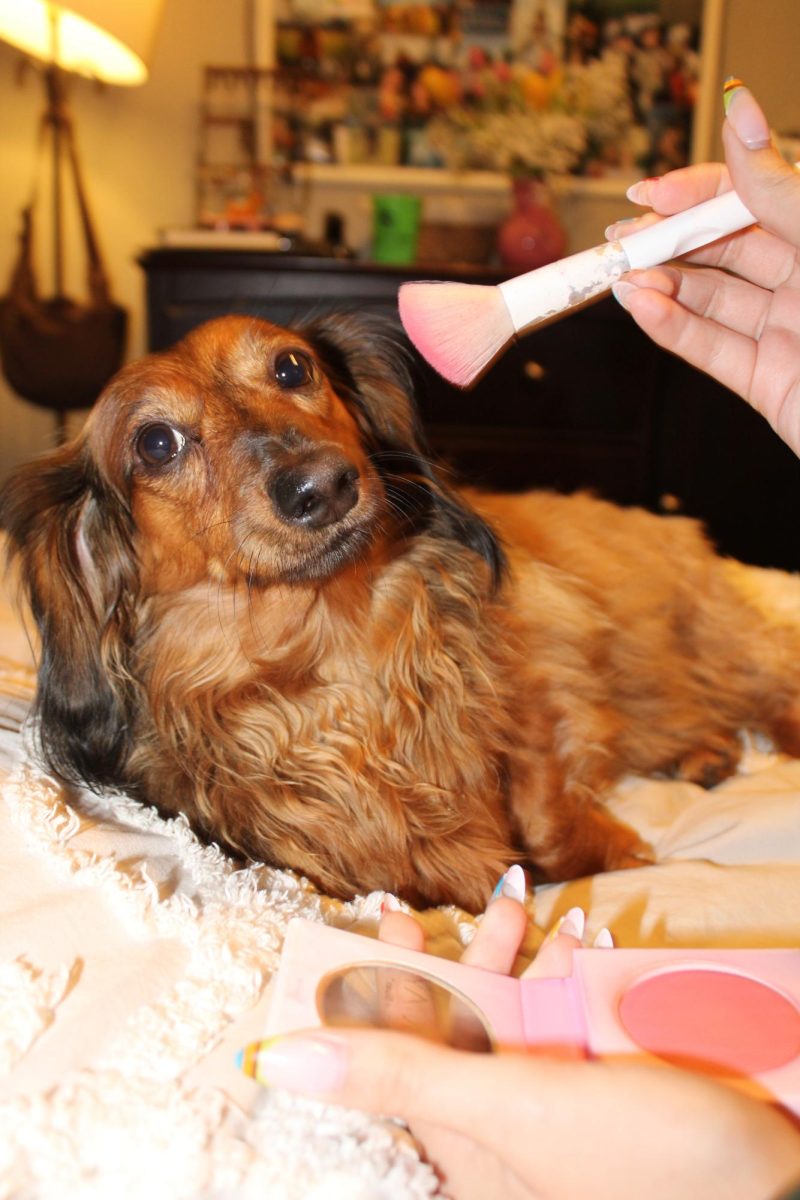
When most people hear the term “animal testing,” it’s easy to picture someone putting lip gloss on a dog or blush on a white bunny. As it turns out, the truth is much darker than what is depicted.
What is Animal Testing?
Animal testing refers to experiments conducted on live animals to study biology and disease, evaluate the effectiveness of new medications, and assess the safety of consumer and industrial products such as cosmetics, food additives, and pharmaceuticals.
These procedures are life-threatening for the subjects and may include the following:
- Force-fed or injected with toxic substances to test the effects.
- Deliberately exposed to harmful drugs, chemicals, or infectious diseases to the point of illness or death.
- Genetic modification, including the addition or removal of specific genes.
- Marked for identification through ear-notching or tail-clipping.
- Briefly restrained for observation or examination.
- Prolonged physical restraint.
- Denied food and water for experimental purposes.
- Made to undergo surgical procedures followed by a monitored recovery period.
- Inflicted with wounds, burns, and injuries to study the healing process.
- Subjected to intentionally induced pain to study its physiological effects and treatments.
- Placed in distressing situations, such as electric shocks or forced swimming, to study behavioral responses.
- Manipulated to model human diseases ranging from cancer and strokes to depression.
- Killed at the conclusion of experiments through methods such as asphyxiation, neck-breaking, or decapitation.
Multiple species of animals are used in these experiments, but the most common include mice, fish, rats, rabbits, guinea pigs, hamsters, farm animals, birds, cats, dogs, mini-pigs, and non-human primates (monkeys and, in some countries, chimpanzees).
“It is estimated that more than 115 million animals worldwide are used in laboratory experiments every year,” the Humane World for Animals said.
Why is it bad?
Animal testing is extremely damaging to the subject and has long-lasting psychological and physical effects. Not only is animal testing tragic for the victims, but it is also unreliable. Testing products on animals does not accurately reflect how humans will react to them. More often than not, the symptoms animals experience differ from what humans may experience.
In addition to the majority of the experiments producing useless data, some experiments seem to only result in torture. Toxicity tests, like the Draize and Lethal Dose 50 (LD50) tests, are among the most common and are widely known for causing severe pain and suffering to animals. The Draize test is performed to measure how harmful a product or chemical may be to human eyes by placing substances into rabbits’ eyes, often causing severe pain, blindness, and sometimes death. It has been criticized as unreliable and unnecessarily harmful. The LD50 test measures how much of a substance causes death in 50 percent of animals, involving prolonged suffering as large amounts are forced into their bodies until death.
Michael Balls, a medical cell biology professor at the University of Nottingham and chair of the trustees for the Fund for the Replacement of Animals in Medical Experiments (FRAME), sees no purpose in these dreadful procedures.
“The LD50 test is scientifically unjustifiable. The precision it purports to provide is an illusion because of uncontrollable biological variables,” Balls said.
What’s the Alternative?
An alternative is beyond necessary; fortunately, there are a few to choose from. A simple solution is to use natural ingredients in cosmetics to ensure human safety without animal testing. The Body Shop is a cosmetics brand that has successfully adapted this idea by using only ingredients like bananas and Basil nut oil, along with other materials with a long history of safe human use.
Scientists have also created artificial skin that yields more accurate results when tested. This method has been adopted by cosmetic brands such as L’Oréal and La Roche-Posay.
Another alternative is to use a product called Eyetex.
“This synthetic material turns opaque when a product damages it, closely resembling the way that a real eye reacts to harmful substances,” an article on animal testing from Lone Star College said.
Computers can also be used to simulate and predict the possible harm a product or chemical might cause. Human Tissue and cells can be used for testing; most of these procedures are performed in test tubes.
All of these alternatives have been successfully tested and proven to be a more reliable option than animal testing.
How can you support the change?
Because animal testing has been the default for so many years, most scientists are not open to the alternative. If you’re interested in saving these animals, there are a few ways you can help make a change.
Stop purchasing from brands that test their products on animals. Some of these brands might include: Always, Band-Aid, Clinique, Dior, Febreze, Göt2b, Johnson & Johnson, Maybelline, Nair, Old Spice, Prada, Tide, Victoria’s Secret, and thousands of other brands and companies.
Buying from companies that don’t support animal testing or use alternatives helps drive the switch and demonstrates that these alternatives are sustainable. To find cruelty-free products or discover if the products you use are clean, visit Beauty Archives – PETA’s Ultimate Cruelty-Free List.
There are also many groups that protest against animal cruelty, including those that rescue animals from testing facilities and collect signatures to change policy. Links to these groups and petitions will be at the bottom of the page, but I encourage you to do outside research and find more groups to support.
As science advances, animal testing becomes less and less relevant. It is no longer justified to put animals through unnecessary suffering for the selfish benefits of our own needs. Stop putting yourself and your needs above the voiceless. They need your help to make this change!
Take Action!